
Pickup trucks have moved well beyond being simple work vehicles. Today’s models combine mechanical capability with software, sensors, connectivity, and intelligent power management. These developments are changing how trucks handle demanding jobs, from hauling equipment to towing trailers and supporting utility operations. As businesses and individual drivers look for greater efficiency, modern truck technology is becoming an increasingly important part of the buying decision.
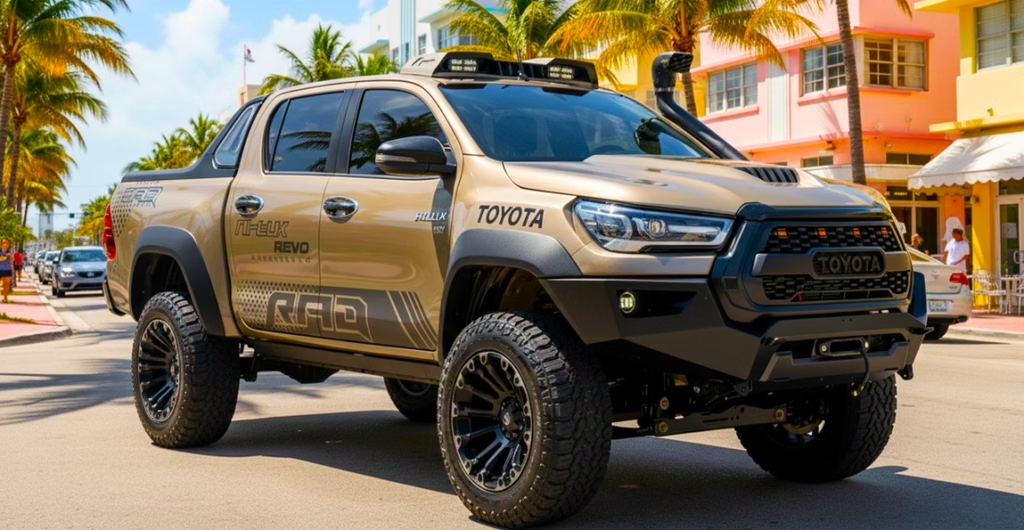
Smarter Powertrains Are Changing Everyday Capability
For drivers comparing a new toyota tundra, powertrain technology is one of the most important areas to examine. Modern truck engines are increasingly designed to balance power, fuel efficiency, responsiveness, and workload demands rather than focusing solely on maximum output.
Advanced powertrains can use electronic controls to adjust performance according to driving conditions. This can help deliver smoother acceleration, manage engine resources more effectively, and provide the capability needed when carrying heavy loads.
Key developments include:
- Turbocharged engine configurations
- Electrified powertrain technology
- Intelligent transmission management
- Drive-mode selection for different conditions
- Electronic systems that monitor vehicle performance
The result is a truck that can adapt more effectively to changing workloads and road conditions.
Digital Towing Systems Add a New Layer of Control
Towing has traditionally required significant driver experience, especially when maneuvering a large trailer. Digital technology is now helping simplify several parts of the process. Sensors and cameras can provide additional visibility around the truck and trailer, while integrated displays can help drivers monitor important towing information.
Some modern trucks can also provide trailer-related data through connected systems. Depending on the configuration, drivers may be able to monitor factors such as trailer status, tire information, and other useful parameters from the vehicle’s interface.
These tools do not replace careful driving, but they can reduce uncertainty when managing a demanding load.
Connected Technology Makes Utility Work More Efficient
Utility vehicles often spend long hours on the road and may carry specialized equipment. Connectivity can make these vehicles easier to manage by bringing navigation, communication, vehicle information, and other functions into one digital environment.
For commercial users, this can contribute to better organization. Drivers can spend less time dealing with disconnected systems and more time completing their assigned tasks. Fleet operators can also benefit when vehicles provide useful information about usage, maintenance, or operating conditions.
Safety Technology Supports Confident Driving
Modern truck technology also focuses heavily on driver awareness. Cameras, sensors, and electronic assistance systems can help drivers identify potential hazards and better understand their surroundings.
Useful technologies may include:
- Blind-spot monitoring
- Lane-related alerts
- Adaptive cruise control
- Parking assistance
- Forward collision warning systems
- Trailer-focused visibility features
The availability of these technologies varies by model and trim, so buyers should always check the exact configuration.
Why Digital Innovation Matters for Utility Vehicles
The biggest change is the way mechanical and digital systems now work together. A capable truck is no longer judged only by engine strength or payload figures. Its software, connectivity, towing tools, and driver-assistance technologies can also influence how effectively it performs daily duties.
For utility-focused drivers, this combination can mean easier operation, improved awareness, and greater control over demanding jobs.
Conclusion
Smart powertrains and digital towing systems are redefining what modern utility trucks can accomplish. Instead of relying exclusively on traditional mechanical capability, today’s trucks increasingly combine strength with intelligent technology. For buyers considering a new toyota tundra, understanding these developments can help them choose a vehicle that delivers practical capability while fitting the demands of modern work and everyday driving.


Leave a Comment
You must be logged in to post a comment.