
Introduction
Visual design has emerged as one of the most valued abilities in our contemporary economy. All brands, websites, apps, advertisements, and other platforms rely on successful visual communication to reach out to their target audience. As companies continue to struggle to make themselves stand out in the highly competitive marketplace, the need for visual designers only gets bigger.
Having a good background in visual design is very helpful in ensuring that people get their concepts and ideas across in a visual form. This is important in helping to convey messages, creating brand identity, and engaging with consumers. Therefore, visual design is very vital for any person wishing to create a successful career in the creative industry.
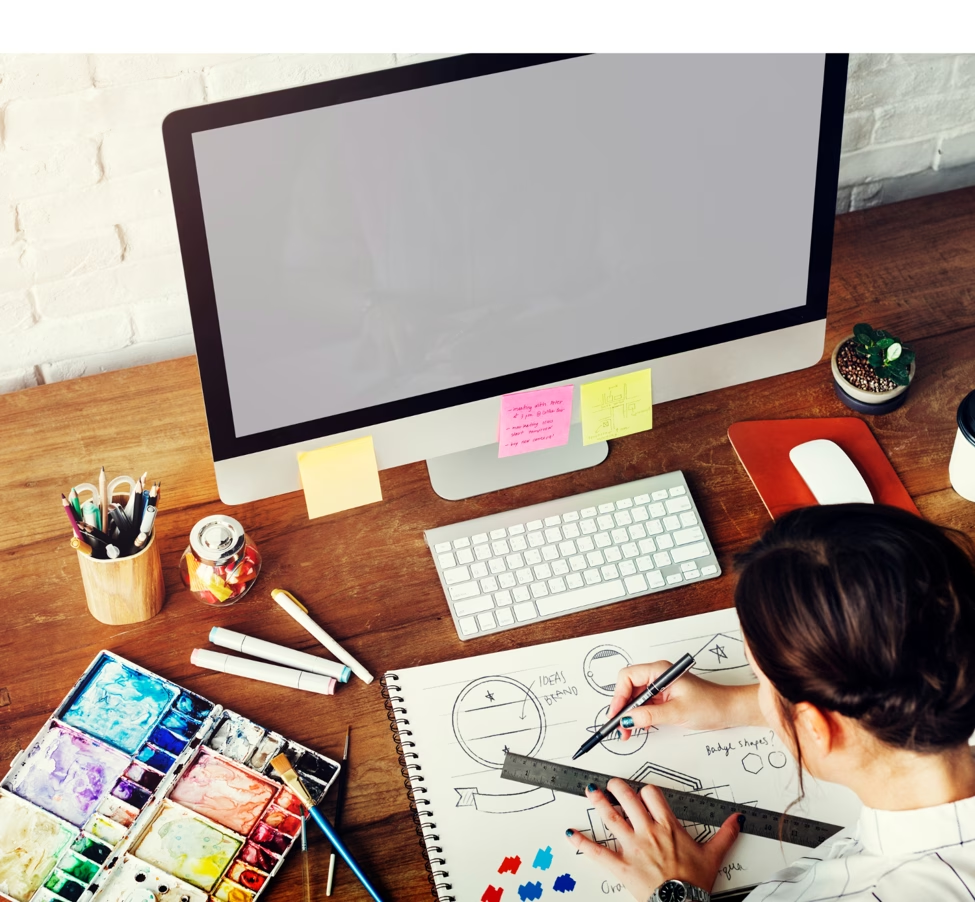
As surprising as it may seem, while VLSI Course or Chip design course prepares professionals with specialized technical knowledge in the semiconductor industry, visual design equips creative professionals with specialized knowledge that is very much appreciated in various industries.
Understanding the Importance of Visual Design
Visual Design is Not Only About Making Pretty Pictures. Visual design means arranging information, choosing relevant visuals, and making sure that people can work with them.
In today’s corporate world, visual communication has an impact on the way in which brands, products, and services are perceived by their audiences. Visual communication can play a big part in enhancing trust and engagement within organizations, as well as improving communications about value proposition.
Individuals with knowledge in visual design contribute significantly to these ends.
Enhancing Creative Thinking
Learning visual design will result in the cultivation of creative thought process among other great advantages.
In visual designing, individuals find themselves always searching for alternative means of delivering information, solving communication issues, and reaching out to people. This results in critical thinking and creation of new ideas.
Creative thinking helps professionals:
- Approach projects from different perspectives
- Develop original concepts
- Solve design challenges effectively
- Create engaging visual experiences
- Adapt to evolving market demands
These abilities are highly valued in creative industries where innovation and originality play a significant role in success.
Building Strong Communication Skills
Visual design is fundamentally a form of communication. Designers use colors, layouts, typography, imagery, and visual elements to convey information and influence audience perceptions.
Strong visual communication skills help professionals:
- Present ideas clearly
- Simplify complex information
- Connect with target audiences
- Strengthen brand messaging
- Improve user understanding
Organizations seek individuals who can communicate effectively because clear communication supports stronger customer engagement and better business outcomes.
Creating Valuable Career Opportunities
A visual design skill set allows for many job opportunities within the realm of the creative industry. Many organizations depend on creatives for assistance with marketing, branding, digital products, and client experiences.
Career opportunities may include:
- Visual Designer
- Graphic Designer
- Brand Designer
- Creative Designer
- User Interface Designer
- Digital Content Designer
- Art Director
- Motion Graphics Designer
The diversity of these opportunities allows professionals to pursue careers that align with their interests, strengths, and long term goals.
Supporting Brand Development
No organization that achieves success ever fails to create an impressive brand identity for itself. Visual designers contribute significantly towards assisting companies in creating a coherent identity for themselves.
Through visual design skills, professionals learn how to:
- Create cohesive visual identities
- Strengthen brand recognition
- Support marketing initiatives
- Build audience trust
- Enhance brand experiences
Organizations value these capabilities because strong branding often contributes to customer loyalty and business growth.
Improving Digital Experiences
With the growing presence of digital platforms, visual design has gained significance in building effective user experiences.
Website, app, and online platform development involves the creation of visual frameworks, which will make these interactions easy and interesting for users. This is where visual designers come into play to ensure that users can easily move around digital spaces while having an enjoyable experience.
There is a growing demand for professionals with such expertise because companies understand the effect of good design on their customers.
Increasing Professional Versatility
One of the most attractive aspects of visual design is its versatility. The skills developed through visual design education can be applied across numerous industries and job functions.
Visual design professionals can work in:
- Technology
- Advertising
- Media
- Entertainment
- Education
- Healthcare
- Retail
- Professional services
This flexibility provides creative professionals with multiple pathways for career growth and advancement.
Similar to how professionals who complete a Chip design course can explore opportunities in various technology driven sectors, visual design professionals can apply their expertise across diverse creative and business environments.
Developing Problem Solving Abilities
Successful designers go beyond the creation of appealing visuals. Designers need to address communication and experience-related issues faced by businesses.
It is important for a visual designer to have an understanding of the objectives, audience, and requirements of the project before designing solutions.
These skills help professionals:
- Identify user needs
- Improve content presentation
- Address communication challenges
- Enhance customer engagement
- Deliver meaningful outcomes
Employers highly value individuals who can combine creativity with practical problem solving techniques.
Strengthening Collaboration Skills
Creative endeavors are also known to require teamwork among designers, marketers, software engineers, management staff, and content producers.
Individuals working in the field of visual design are used to interacting with people from various backgrounds and with different expertise.
Good communication skills as well as the ability to accept criticism and participate in teams make great designers.
Staying Relevant in a Digital World
Technology continues to shape the creative industry. Organizations are constantly introducing new platforms, communication channels, and customer experiences.
The skills of visual design will make people relevant as they get prepared to embrace change and emerging technology in order to create content that suits business needs and, at the same time, engages the audience.
This adaptability is a major advantage in today’s rapidly changing professional landscape.
Conclusion
Visual Design is an integral aspect that any professional in the creative industry must have if he or she is to create a fruitful career for himself or herself. Visual Design incorporates creative, communicative, problem-solving, and strategic thinking skills that assist professionals in creating experiences that facilitate both their businesses’ and customers’ needs. Visual Design is beneficial in many different industries. Like the way that a VLSI class helps you learn some technical skills and a Chip design class gets you ready to have a successful career in semiconductors, visual design helps creative people develop industry-specific skills for their future careers. If you love creativity, communication, and innovation, then visual design can be a good base for your future career path.


Leave a Comment
You must be logged in to post a comment.