
A Decade of Change Just Happened in 12 Months
Last year, a single residential project in Singapore was designed, permitted, and structurally optimized — all before a human architect touched a pencil. The AI did it in four hours. That’s not a tech demo. That’s Tuesday in 2026.
I’ve spent the last decade covering buildings, blueprints, and the brilliant (and occasionally baffling) people who create them. And I’ll be honest with you — this year feels different. The architecture and construction world isn’t just evolving. It’s restructuring itself from the foundation up. Literally.
So let’s cut through the noise. Here’s what’s actually happening across architectural design, construction technology, and academic innovation in 2026 — and why it matters for every professional in the field.
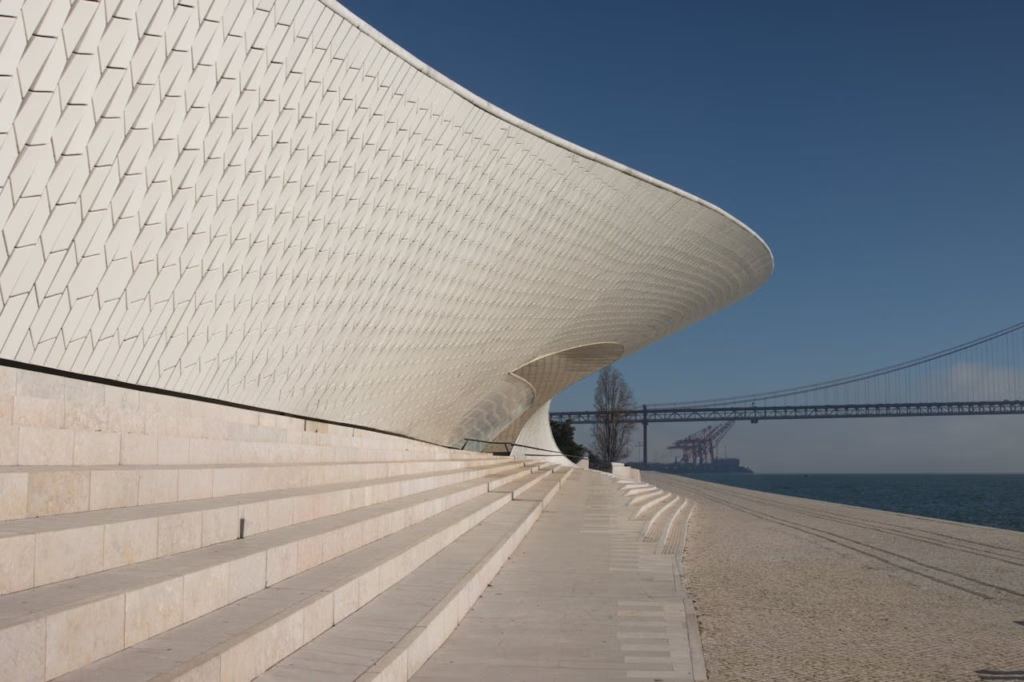
Architectural Design in 2026: Beauty Has a New Brain
Parametric Design Goes Mainstream
Parametric architecture is no longer the domain of Zaha Hadid acolytes or research labs. It’s everywhere. Studios in Lagos, Seoul, São Paulo, and Stockholm are using parametric tools to generate context-responsive buildings at a pace that would’ve seemed absurd five years ago.
Key shifts I’m seeing in architectural design this year:
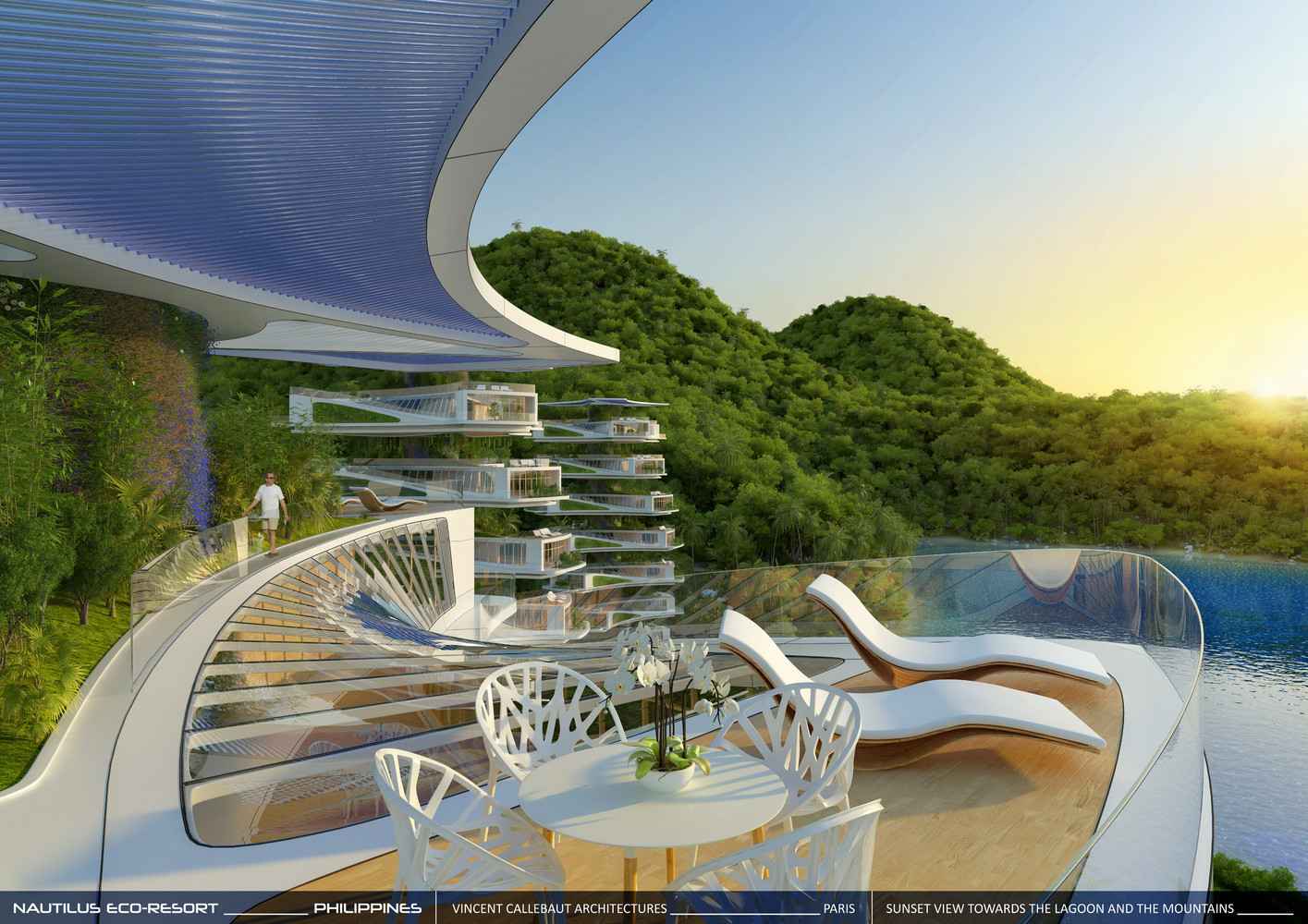
- Climate-adaptive facades — Buildings now breathe. Kinetic exterior systems adjust in real time to solar gain, wind direction, and humidity. Projects like Morphosis’s new commercial complex in Dubai embed environmental sensors directly into facade panels.
- Biophilic integration — Not potted plants in a lobby. Structural green systems, living walls load-bearing enough to satisfy code, and rooftop ecosystems that double as stormwater management. Copenhagen’s latest urban housing clusters are setting the benchmark.
- Cultural specificity in computational design — AI tools trained on regional vernacular architecture are producing outputs that feel genuinely rooted in place. Firms in Nairobi and Medellín are doing extraordinary work here.
The Return of Human Scale (With a Tech Assist)
Here’s the irony worth sitting with: as computational tools get more powerful, the most celebrated projects of 2026 are those that feel more human. Smaller rooms. Tactile materials. Irregular geometry that invites touch rather than intimidates.
The great designers of this moment are using algorithms to achieve the warmth that algorithms supposedly can’t replicate. That tension? That’s where the good stuff lives.
Construction Technology in 2026: The Site Has Upgraded
Robotics and Automation Are No Longer Optional
The labor math no longer works the old way. With skilled trades shortages hitting critical levels across North America, the EU, and parts of Southeast Asia [cite: Global Construction Labour Report, 2025], automation isn’t a philosophical debate — it’s a survival strategy.
What’s actually being deployed on sites right now:
- Autonomous bricklaying robots — SAM100’s successor systems are now capable of adaptive masonry on curved walls. That was a fantasy in 2022.
- 3D-printed concrete structures — ICON’s work in Texas and COBOD’s projects across Europe have gone from pilot to pipeline. Multi-story printed buildings are expected to represent a notable share of new residential starts in select markets by 2027 [cite: McKinsey Global Infrastructure Initiative, 2025].
- AI-powered site monitoring — Computer vision systems track safety compliance, material usage, and schedule deviation in real time. Fewer surprises. Fewer cost blow-outs.
- Digital twins at full project scale — Not just BIM. Full-environment simulations that sync with physical construction, letting teams test interventions before they’re irreversible.
Mass Timber: Still Rising, Now Maturing
Cross-laminated timber (CLT) had its moment. Now it’s having its decade. Tall timber construction — what the industry calls “plyscrapers” — is becoming structurally and regulatorily viable in markets that were firmly concrete-and-steel holdouts as recently as 2023.
The Ascent MKE Tower in Milwaukee was a proof of concept. What’s being planned and built in 2026 suggests that was just the opening act.
Academic Innovations: The Academy Is Finally Ahead of the Curve
Curricula That Actually Reflect Practice
For years, architecture schools were criticized for being charmingly detached from construction reality. That’s changing — fast.
Leading institutions are restructuring their programs around:
- Integrated AI/ML literacy — Not as electives. As core competencies embedded across studios and technical courses.
- Circular economy design frameworks — Designing for deconstruction, material passports, and adaptive reuse is now part of the standard vocabulary at schools from the AA in London to IIT in Chicago.
- Cross-disciplinary collaboration — Architecture students co-designing with data scientists, sociologists, and climate engineers. The siloed school is becoming extinct.
Research That Shapes Policy — and Fast
Academic architecture research in 2026 has a shorter feedback loop to real-world application. Three areas dominating published output right now:
- Post-occupancy evaluation (POE) methodologies — Finally being taken seriously as essential design tools, not afterthoughts.
- Embodied carbon measurement standards — Researchers are building the consensus frameworks that regulators will eventually codify.
- Affordable housing through prefabrication innovation — Some of the most important academic work happening today is addressing the global housing crisis through modular construction research.
The scholars driving this work — at ETH Zürich, SCI-Arc, CEPT Ahmedabad, and the University of Melbourne among others — are punching well above their institutional weight.
The Bigger Picture: What 2026 Is Really Telling Us
The thread running through all of this — the design shifts, the site tech, the academic pivots — is accountability. The profession is being asked to do more with less carbon, less time, and less tolerance for failure. And mostly, it’s rising to that challenge.
I find that genuinely exciting. Not because everything is figured out (it very much isn’t), but because the questions being asked are finally the right ones.
The architect of 2026 isn’t just a designer or a technologist or a researcher. They’re a negotiator — between the digital and the physical, between global tools and local meaning, between speed and care.
Suggested Citations & Sources
• Global Construction Labour Report, 2025
• McKinsey Global Infrastructure Initiative, 2025
• World Green Building Council Annual Report, 2025
• Journal of Architectural Education, Vol. 79 Issue 1, 2026
💬 As AI takes on more of the generative and analytical work in architecture, what becomes the irreplaceable human contribution to the built environment — and are we educating the next generation of architects to own it?





Leave a Comment
You must be logged in to post a comment.